Fashion is a dynamic reflection of cultural shifts and societal changes, particularly in how women’s attire has transformed over the decades. From the structured corsets of the 19th century to the fluid silhouettes of modern-day styles, the evolution of women’s fashion mirrors their changing roles in society and the broadening spectrum of fashion choices available to them.
Each era has brought distinct trends that signify more than just aesthetics; they encapsulate women’s aspirations, challenges, and victories. The rise of ready-to-wear clothing in the 20th century and the influence of feminist movements have notably reshaped the landscape of fashion, allowing for greater accessibility and diversity in styles.
Fashion history showcases the way women have embraced empowerment through their wardrobe, using trends as a means of self-expression. Understanding this evolution provides valuable insights into how fashion continues to adapt, reflecting contemporary values while honouring its rich heritage.
The Beginnings and Fashion Foundations
The evolution of women’s fashion is deeply rooted in historical contexts that set the foundations for modern trends. This includes pivotal periods such as the Renaissance, the Victorian era, and the early 20th century, each contributing distinct styles and societal influences.
Renaissance Impact
During the Renaissance, fashion reflected the era’s embrace of art, culture, and individuality. Women’s clothing began to shift from restrictive garments to more tailored silhouettes. The introduction of fabrics like silk and brocade brought luxury into women’s wardrobes.
Elaborate gowns featured wide sleeves and low necklines, often adorned with intricate embroidery and lace. This period laid the groundwork for later fashion movements, showcasing a desire for personal expression and aesthetic appeal. It marked the beginning of clothing as a means to signify class and wealth.
Victorian Advances
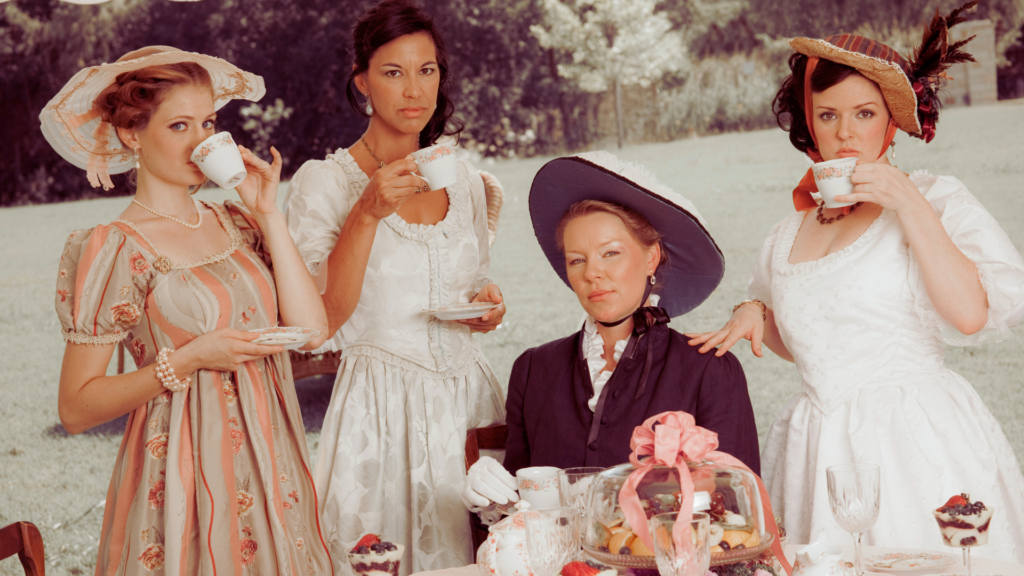
The Victorian era made significant strides in women’s fashion, with notable changes in silhouette and materials. Early Victorian styles favoured corseted shapes, providing a defined waist and fuller skirts supported by crinolines. Fabrics became more varied, incorporating heavier materials and bold patterns.
As the era progressed, fashion began to reflect changes in society, including women’s growing independence. The introduction of ready-to-wear clothing in the late 1800s made fashionable attire more accessible. Innovations in tailoring and design further transformed women’s wardrobes into symbols of both status and modernity.
Early 20th Century Influences
The early 20th century marked a radical departure from previous fashion norms. The introduction of the flapper style in the 1920s embraced a more liberated silhouette, with dropped waistlines and less restrictive garments. Women began to wear shorter skirts and bobbed hair, signifying newfound freedom.
The influence of World War I also changed fashion dynamics, as women entered the workforce in greater numbers. Practicality became essential, leading to the popularisation of tailored suits and functional dresses. This period set the stage for the continuing evolution of women’s fashion, reflecting ongoing societal changes.
Revolutionary Decades & Iconic Movements
Women’s fashion has undergone significant transformations through the decades, reflecting broader social changes. Key movements include the flapper revolution, the flamboyant styles of the swinging sixties, the disco era, and the raw expressions of punk and grunge.
The Flapper Revolution
The flapper era of the 1920s marked a pivotal change in women’s fashion. Flappers embraced a more liberated lifestyle, opting for shorter hemlines, loose-fitting dresses, and daring styles that contrasted sharply with the previous Victorian norms. The iconic flapper dress was characterised by its straight silhouette, often adorned with beads and fringe.
Accessories were equally important; cloche hats and long pearls enhanced the flapper’s look. This shift symbolised women’s growing independence, reflecting their newfound social freedoms after World War I. The flapper’s daring attitude pushed boundaries and set the stage for future fashion revolutions.
The Swinging Sixties and Mod Fashion
The 1960s heralded a vibrant transformation in women’s fashion. Mod fashion emerged, defined by bold prints, geometric patterns, and youthful exuberance. Mini skirts, shift dresses, and knee-high boots became staples of the decade, influenced by icons such as Twiggy and Mary Quant.
Bright colours and androgynous styles challenged traditional notions of femininity. The fashionable youth embraced cultural changes, with music and art deeply entwined in their attire. This movement not only redefined women’s fashion but also empowered them to express their identities more freely.
Disco Era and its Extravagance
The disco era of the 1970s brought exuberance and glamour to women’s fashion. Flared trousers, sequined dresses, and platforms characterised the vibrant style of the time. Clubs became the backdrop for extravagant outfits, with disco fever fuelling a desire for bold self-expression.
Women often wore body-hugging dresses that showcased their curves, coupled with statement jewellery. The influence of pop culture and iconic figures like Donna Summer shaped this fashion landscape. The disco aesthetic celebrated movement, rhythm, and an unapologetic embrace of boldness in style.
Punk’s Rebellion and the Grunge Movement
The punk movement of the late 1970s and early 1980s introduced a stark contrast to previous fashions. With its roots in music and youthful rebellion, punk fashion featured leather jackets, ripped jeans, and DIY aesthetics. Prominent figures like Vivienne Westwood played crucial roles in shaping this edgy style.
In the 1990s, the grunge movement emerged, characterised by an anti-establishment ethos. Key elements included oversized flannel shirts, combat boots, and an overall messy appearance. This style rejected glamour in favour of comfort and authenticity, capturing the spirit of discontent among youth. Both movements left a lasting impact on women’s fashion, highlighting individualism and socio-political statements through clothing.
Designers and Defining Styles
The evolution of women’s fashion is intricately linked to influential designers and their defining styles. Key movements shaped by these creatives reflect societal changes and highlight iconic aesthetics throughout history.
Hollywood and Glamour
In the early to mid-20th century, Hollywood became synonymous with glamour. Designers like Edith Head crafted stunning wardrobes for film stars, setting trends that resonated with the public. The allure of silver screen fashion gave rise to an ideal of femininity characterised by elegance and sophistication.
Dresses were often embellished with luxurious fabrics, deep necklines, and flowing skirts. This era emphasised the hourglass shape, favouring nipped waists and elaborate silhouettes that accentuated the female form. The impact of Hollywood led to a lasting obsession with glamour that continues to influence fashion today.
The New Look and Silhouette Shifts
Christian Dior’s 1947 collection introduced the revolutionary New Look, which transformed women’s fashion in the post-war period. This style featured a voluptuous silhouette with a cinched waist and full skirt, contrasting sharply with wartime austerity. The New Look celebrated femininity, encouraging women to embrace a sophisticated aesthetic.
Dior’s designs were pivotal in defining post-war fashion, establishing a standard of elegance with feminine silhouettes. This style not only influenced the designs of the 1950s but also sparked a broader change in how fashion Was perceived. The New Look became a symbol of prosperity and liberation in a time of societal change.
High Fashion and Its Creators
The realm of high fashion has consistently evolved through the creativity of designers such as Coco Chanel, Yves Saint Laurent, and Alexander McQueen. Chanel revolutionised women’s wardrobes by introducing more practical, yet chic attire that emphasised comfort without sacrificing style.
Yves Saint Laurent further challenged conventions with his incorporation of masculine elements into women’s wear, such as tailored suits. This shift paved the way for a more androgynous approach to fashion. Meanwhile, McQueen’s provocative designs often commented on themes of identity and culture, pushing boundaries in the high fashion world.
The contributions of these designers reflect a constant evolution, showcasing innovation while honouring the art of fashion design.
Modern Developments and Ethical Fashion
Recent developments in women’s fashion highlight the shift towards comfort, sustainability, and self-expression. Athleisure and casual trends have taken prominence, while eco-conscious choices reflect growing environmental awareness. The influence of street style further shapes contemporary fashion choices, merging personal aesthetics with broader cultural movements.
Rise of Athleisure and Casual Trends
Athleisure has transformed women’s wardrobes, blending athletic wear with everyday clothing. This trend emphasises comfort without sacrificing style. Popular items include leggings, sports bras, and loose-fitting tops, often designed with performance fabrics that offer breathability and flexibility.
Casualwear gained traction from the 1980s power dressing era, where bold colours and structured styles were predominant. Today, minimalist designs feature muted tones and streamlined silhouettes, allowing for versatility in styling. The fusion of function and fashion enables women to transition seamlessly from workouts to social events.
Embracing Personal Style and Body Confidence
Modern women’s fashion increasingly celebrates individuality, comfort, and confidence. Choices in clothing now reflect not only personal aesthetics but also how a woman feels in her own body, allowing her to express herself authentically in every setting. Versatile pieces, flattering cuts, and styles that suit different body types all contribute to a sense of empowerment and self-assurance.
As women become more attuned to their personal style and comfort, they often look for ways to complement their natural figure. For some, this includes exploring options to enhance or balance certain areas of the body. For instance, consulting with the top breast augmentation surgeon in Philadelphia, or other such professionals can provide personalized guidance, helping women achieve proportions that harmonize with their style while boosting confidence.
This desire for balance and proportion often extends to the face and neckline, where signs of aging can affect how clothing and jewelry look on a person. Sagging skin around the jawline or a heavy neck can sometimes make people feel self-conscious, regardless of how stylish their outfit is. Many individuals look into surgical options to restore a more defined, youthful contour to these areas. If you want to address these specific concerns, a Neck Lift Beverly Hills specialist can help you understand the options available to achieve a natural look. This type of procedure helps tighten loose skin and underlying muscles, which can make a big difference in how you feel in your favorite styles.
People often seek out these aesthetic changes to feel more comfortable in their daily lives. When considering any cosmetic procedure, finding a qualified team is an important step. A personal consultation helps patients understand what results are realistic for their body. For those in the Midwest, visiting a trusted clinic like Lakeshore Plastic Surgery can provide clear answers about both surgical and non-surgical treatments. This professional guidance helps individuals make safe decisions that fit their personal goals.
Influence of Street Style
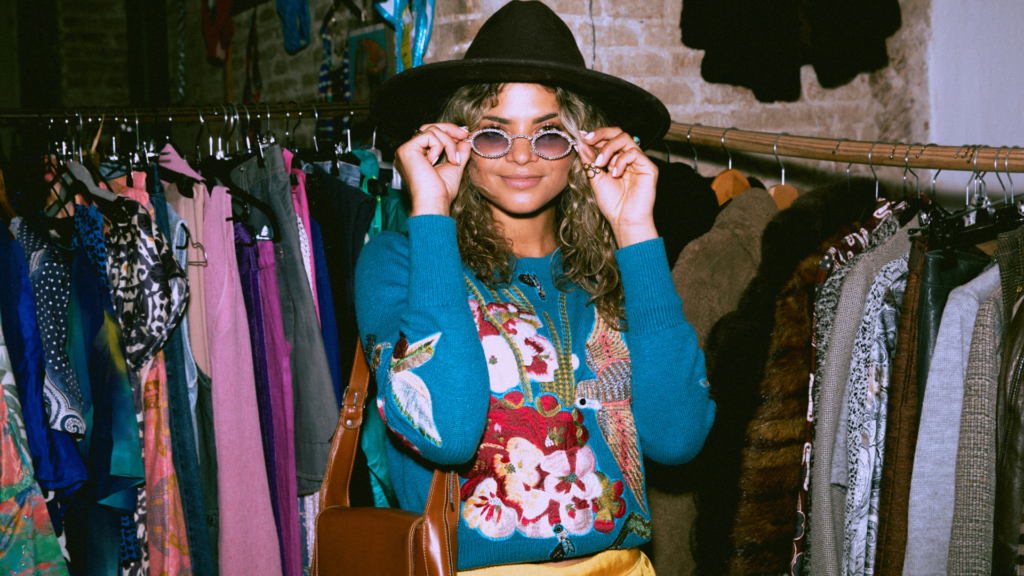
Street style has emerged as a powerful force in shaping modern women’s fashion. Inspired by everyday life, it blends diverse influences from various subcultures, making it highly dynamic. Trends from hippie fashion of the 1960s or grunge from the 1990s are reinterpreted, showcasing individuality.
Beyond temporary clothing trends, the pursuit of individuality also extends to more lasting forms of personal aesthetic expression. Modern women increasingly embrace body art and permanent makeup as powerful ways to reflect their unique identity and values.
For those seeking to define their look with precision and artistry, a professional cosmetic tattoo studio can offer services that blend expert skill with a client’s personal vision. Such establishments provide a supportive environment for individuals to explore options from subtle enhancements like microblading to decorative tattoos, ensuring results that truly enhance their natural beauty and confidence.
The street style also encourages blending high-end fashion with everyday wear. This mixing of luxury with casual pieces allows for personal expression and creativity. Brands often look to street style for inspiration, collaborating with influencers who embody this aesthetic, thus bridging the gap between runway and reality.
Eco-Conscious Choices
The rise of sustainable fashion marks a significant shift in consumer behaviour. Many brands now prioritise ethical practices, sourcing materials that are organic or recycled. This change is not just a trend; it reflects a collective responsibility towards the environment.
Fashion choices that emphasise eco-consciousness include vintage shopping and the upcycling of clothing. Minimalism plays a role here, as consumers opt for quality over quantity. This approach encourages consumers to invest in timeless pieces rather than fast fashion, reducing waste and promoting sustainability.