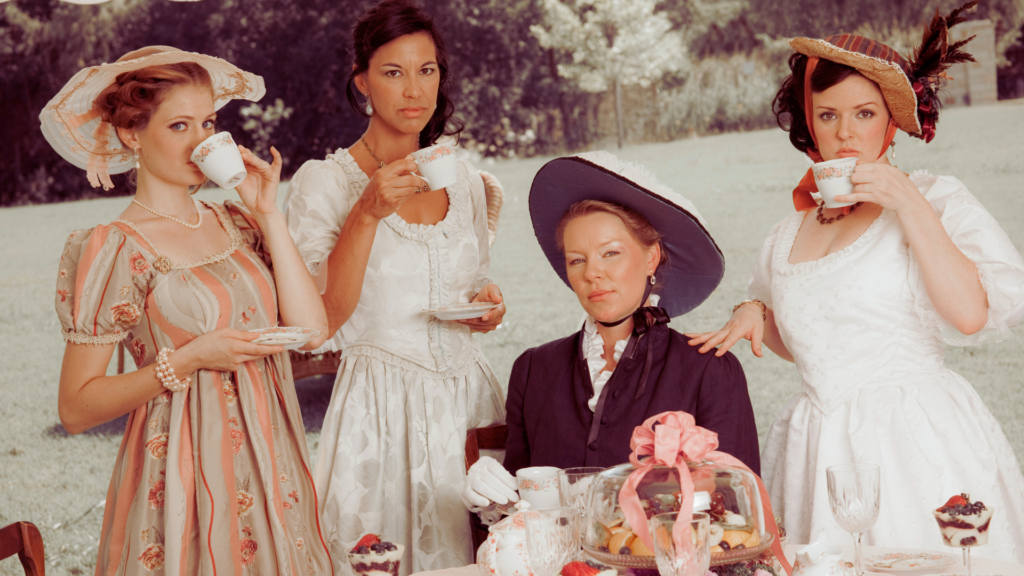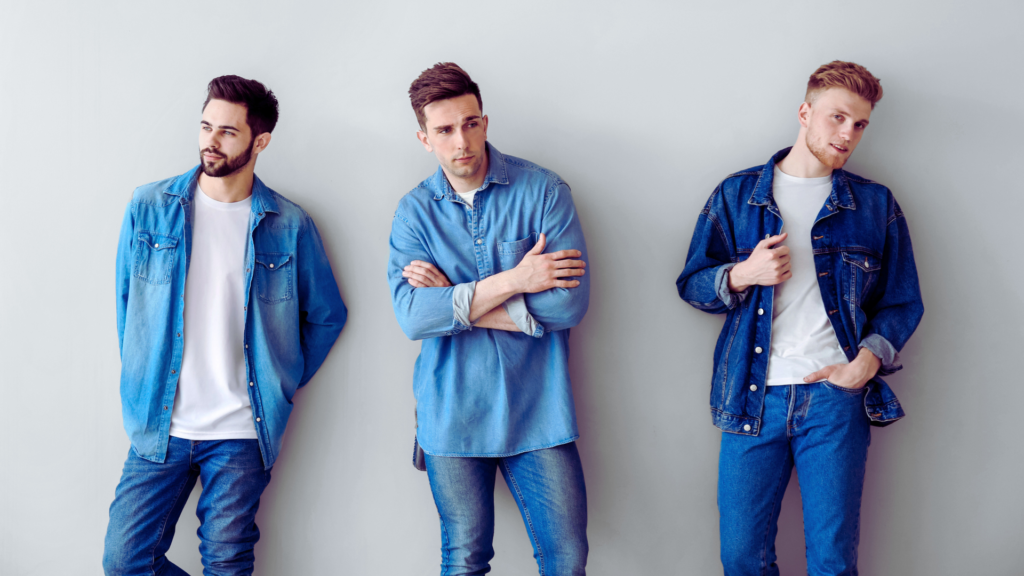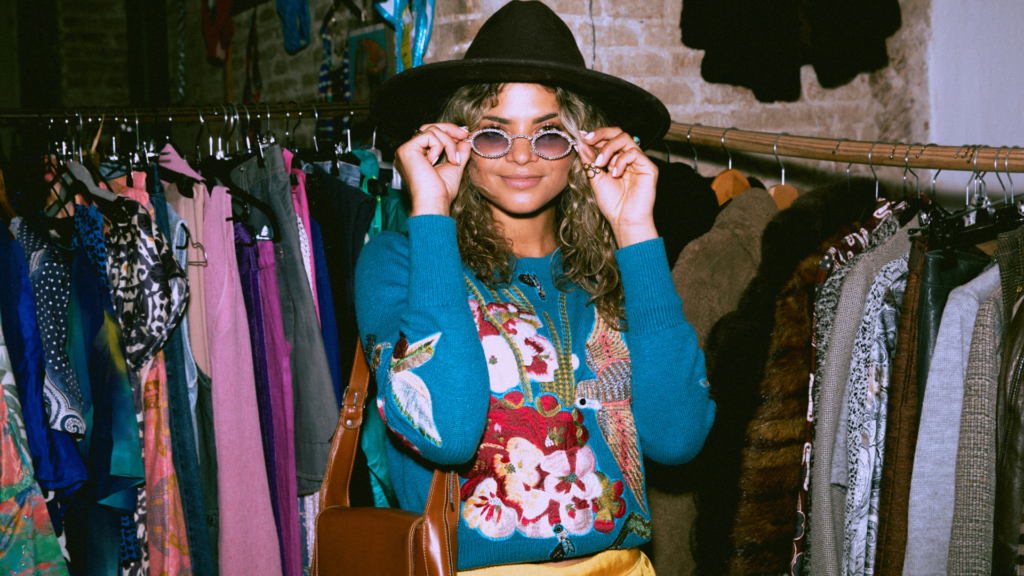
Vintage fashion is making a significant comeback, capturing the attention of style-conscious individuals across generations. Consumers are increasingly drawn to the unique character and quality of vintage pieces, preferring them over mass-produced clothing for their sustainability and timeless appeal. This revival reflects a growing desire for individuality in an era dominated by fast fashion trends.
The resurgence of vintage fashion has been influenced by social media platforms, where influencers and fashion enthusiasts showcase their curated wardrobes filled with retro gems. As they share styling tips, they inspire others to explore thrift shops and online marketplaces, fostering a renewed appreciation for clothing’s history and craftsmanship.
This trend is not merely about nostalgia; it embodies a shift towards more thoughtful consumption. By embracing vintage styles, individuals participate in a movement that values environmental consciousness and personal expression, making a stylish statement that resonates deeply in today’s fashion landscape.
The Essence of Vintage Fashion
Vintage fashion encapsulates a blend of nostalgia, authenticity, and timeless appeal. Its unique charm lies in the aesthetics and values of past eras, making it both a fashionable choice and a nod to history.
Defining Vintage
Vintage fashion refers to clothing and accessories that originate from previous decades, typically more than 20 years old. These pieces are often characterised by distinct styles, materials, and craftsmanship that reflect the trends of their time.
The term “vintage” is commonly applied to styles from the early 20th century through the late 20th century, often highlighting specific movements such as Art Deco or the retro styles of the 1980s. Each item serves as a tangible connection to the past, allowing individuals to express their personality and preferences through history-laden garments.
Historical Significance
Vintage fashion carries significant historical weight, representing cultural and social movements from various periods. Each decade brought unique trends influenced by world events, art, and music. For instance, the 1920s introduced flapper dresses that symbolised women’s liberation, while the 1970s saw the rise of tie-dye and bohemian styles reflecting countercultural sentiments.
Wearing vintage clothing fosters a connection to these pivotal moments, celebrating the authenticity and creativity of previous generations. Collectors and enthusiasts value these items not just for their beauty, but also for their stories and the social contexts in which they were created.
Vintage Styles Across Eras
Vintage fashion showcases an array of styles from different decades. The elegant lines of the 1940s wartime dresses contrast sharply with the bold prints of the 1960s mod fashion. Each era offers unique elements that contribute to its aesthetic.
For example:
- 1920s: Featuring flapper dresses and Art Deco influences
- 1950s: Known for full skirts and tailored suits
- 1970s: Marked by bohemian fabrics and bright colours
Each style reflects societal changes and demonstrates the evolution of taste. Vintage fashion stands out for its timeless styles, proving that classic pieces can transcend trends while retaining their unique charm and appeal.
Cultural and Social Impacts
The revival of vintage fashion has significantly influenced various cultural and social aspects. Key factors include celebrity endorsements that boost popularity and the growing role of social media in shaping trends. Both aspects intertwine to create a rich tapestry of retro fashion expressions.
Influence of Celebrities
Celebrities play a crucial role in the resurgence of vintage fashion. Icons such as Harry Styles and Lana Del Rey often showcase retro styles, making these look desirable for fans. Their choices not only influence individual wardrobes but also set broader fashion trends.
Additionally, celebrities frequently collaborate with vintage retailers, lending credibility to brands. This endorsement can lead to a surge in interest in specific fashion eras, such as the ’70s bohemian or the ’90s grunge looks. As a result, vintage shops see an uptick in sales and new consumers stepping into the realm of retro attire.
Vintage in Modern Media
Modern media has a significant impact on the revival of vintage fashion. Television shows such as “Stranger Things” and films like “La La Land” incorporate retro aesthetics, inspiring viewers to embrace these styles in reality. This portrayal of vintage fashion captures the imagination of audiences and often leads to a nostalgic desire for similar pieces.
Documentaries and fashion documentaries also highlight the history of certain styles, adding context that appeals to fashion enthusiasts. By showcasing how these aesthetics have evolved, media influences consumer perceptions and drives demand for vintage clothing.
The Role of Social Media
Social media has transformed how vintage fashion is consumed and shared. Platforms like Instagram and TikTok allow users to showcase their vintage looks, creating a vibrant community. Hashtags such as #VintageFashion and #Thrifted find large followings, promoting awareness and accessibility.
Influencers often curate outfits by mixing vintage pieces with modern attire, making retro fashion more approachable. Social media trends also lead to the rise of thrift culture, encouraging sustainable shopping practices. People are increasingly exploring vintage stores and online marketplaces, fostering a deeper appreciation for unique, timeless pieces.
Sustainable Practices in Fashion
Sustainable practices in fashion are increasingly gaining attention as consumers become more environmentally conscious. This approach not only addresses environmental concerns but also encourages individuality through unique fashion choices.
Combating Fast Fashion
Fast fashion is known for its rapid production and low costs, which contribute to significant environmental damage. Brands are now seeking alternatives to minimise waste and reduce carbon footprints.
Sustainable fashion initiatives focus on using eco-friendly materials, such as organic cotton and recycled fabrics.
Furthermore, transparency in supply chains helps consumers make informed decisions, encouraging them to support brands that prioritise ethical practices.
By promoting quality over quantity, the industry can shift consumer behaviour towards longevity in clothing choices.
Recycling and Upcycling
Recycling and upcycling are key solutions in the fashion industry. Recycling involves processing used materials into new products, reducing waste and conserving resources.
Many brands now implement recycling programmes where customers can return old garments for credit towards new purchases.
Upcycling takes this a step further, transforming discarded clothing into new items. This creative approach not only reduces waste but also fosters innovation and artistry in fashion.
Workshops and online guides for DIY upcycling are becoming popular, empowering individuals to personalise their style sustainably.
The Role of Thrift Stores and Vintage Boutiques
Thrift stores and vintage boutiques play a vital role in sustainable fashion practices. By providing pre-owned clothing, they reduce the demand for new garments, which contributes to fewer resources being depleted.
Shoppers at these venues often find unique pieces that express their individuality, allowing for personal style without compromising on sustainability.
Additionally, purchasing from thrift stores supports local economies and charitable organisations.
Frequenting these shops encourages a circular fashion economy, where clothing is used and reused, extending the lifecycle of textiles.
Incorporating Vintage into Modern Wardrobes
Incorporating vintage pieces into modern wardrobes allows for individual expression while adding unique flair to outfits. By understanding how to curate personal styles and mix different eras effectively, one can elevate any fashion sense.
Curating a Personal Style
Curating a personal style involves selecting vintage items that resonate with one’s identity. This might mean opting for statement pieces like a classic 1960s shift dress or high-waisted jeans from the 1980s.
Researching craftsmanship is key. Knowing the quality and historical context of a piece enhances appreciation. Vintage clothing often features unique details and superior craftsmanship, offering a contrast to many fast fashion items.
Creating a cohesive wardrobe requires finding items that complement each other. For example, pairing retro pieces with modern, minimalist items can balance looks while showcasing personal taste.
Mixing and Matching Eras
Mixing and matching different eras can create interesting and innovative outfits. It is important to play with textures and colours, combining vintage fabrics with contemporary styles.
For instance, a neon colour jacket from the 80s might pair well with a modern white tee and straight-leg trousers. The fusion of futuristic elements with classic designs often results in visually striking ensembles.
Maintaining harmony in outfits is crucial. Selecting one dominant vintage item and building the rest of the outfit around it can provide focus. Accessories can also bridge the gap between styles.
Accessorising with Vintage
Accessorising with vintage pieces adds layers to modern outfits. Vintage accessories, such as handbags, scarves, or jewellery can act as focal points.
A vintage brooch or a retro bag can effortlessly elevate a simple outfit. Accessories help to accentuate individual style without overwhelming a look.
Consider the versatility of accessories; they can be mixed and matched easily. A vintage scarf can transform a modern blazer, while antique earrings can add elegance to a casual ensemble. Such thoughtful detailing enhances the overall presentation of personal expression in fashion.