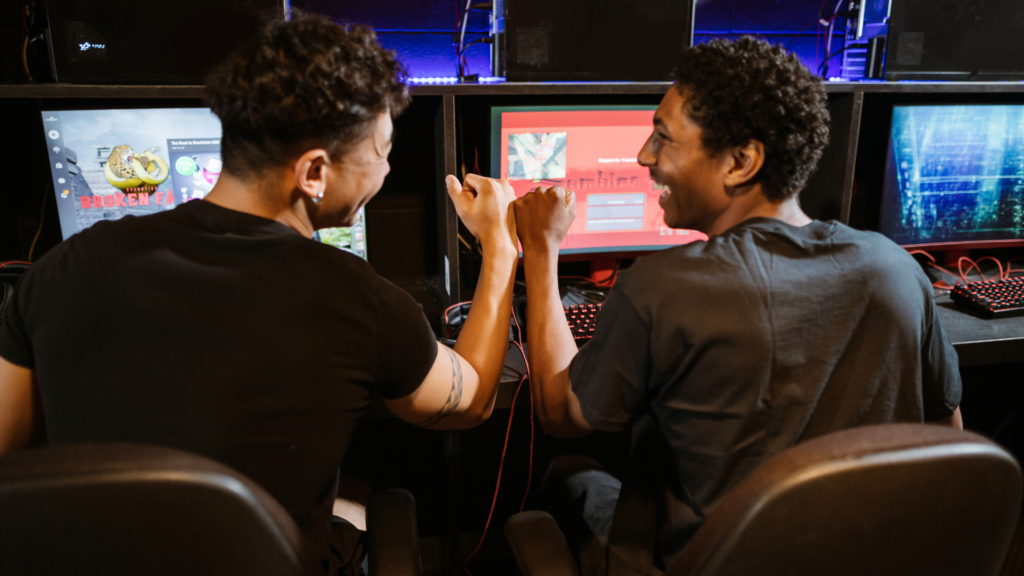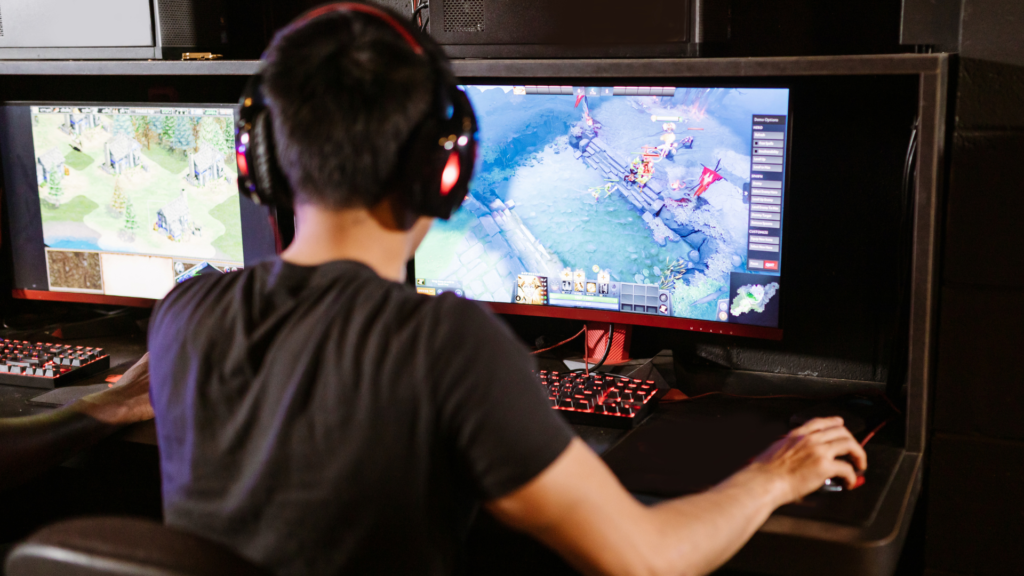
Online gaming has evolved into a significant platform for social interaction among players around the world. Beyond competition, it fosters connections, builds friendships, and creates communities that can enhance mental health and well-being. Gamers often find themselves part of a global network, engaging with others who share similar interests, which can lead to meaningful relationships.
The collaborative nature of many online games encourages teamwork and communication, skills that are essential in both virtual and real-life scenarios. As players strategise and solve problems together, they develop not only their gaming skills but also a sense of camaraderie that can be difficult to find in other settings. This can be particularly beneficial for individuals who may struggle with social anxiety or isolation.
Moreover, online gaming provides an escape and offers an opportunity for expression, helping individuals manage stress and improve their mood. Many find solace in the immersive worlds of their favourite games, making it a valuable outlet for emotional release. The social benefits of online gaming extend beyond the screen, creating pathways for personal growth and community engagement.
Enhancing Social Interaction and Communication
Online gaming creates unique opportunities for players to engage, communicate, and form connections. These environments foster a sense of community, allowing individuals to build relationships and understand diverse perspectives.
Building Relationships and Friendships
Online gaming provides a platform for individuals to form lasting friendships. Players often collaborate to achieve common goals, which reinforces teamwork and camaraderie.
Many gamers share experiences, struggles, and victories, creating a bond that extends beyond the game.
Such relationships can bring emotional support and enhance a player’s overall gaming experience. As friendships deepen, gamers frequently transition to offline interactions, further solidifying their connections.
The Role of In-game Chat and Online Communities
In-game chat systems facilitate real-time communication, enabling players to strategise and share experiences. This interaction can improve social skills, particularly for those who may find face-to-face communication challenging.
Online communities, such as forums and social platforms, expand these interactions. Players can discuss tactics, share content, and connect with others who share similar interests.
These communities also encourage the formation of diverse social identities, as individuals from various backgrounds come together to share their passion for gaming.
Cultural Exchange and Global Connections
Online gaming transcends geographical boundaries, connecting players from around the world. This global interaction allows for cultural exchange, where individuals can learn about different traditions and perspectives through gameplay.
Players engage in conversations that provide insights into each other’s lives, promoting understanding and tolerance. This exposure enhances the gaming experience by broadening players’ perspectives.
Gamers also celebrate diversity, often participating in events that highlight cultural heritages. Such activities foster a sense of belonging within a global community, enriching the social fabric of online gaming.
Psychological Benefits and Well-being
Online gaming offers various psychological advantages, including enhanced teamwork abilities and cognitive skills, while also providing emotional support and fostering mental well-being. These aspects contribute significantly to players’ overall quality of life.
Fostering Teamwork and Collaboration
Playing online games often requires collaboration among players, promoting teamwork skills that are crucial in real-life scenarios. Participants learn to communicate effectively, strategise, and rely on one another to achieve common goals.
This collaborative environment builds a sense of belonging. Gamers often form strong bonds through shared experiences, which can lead to lasting friendships. The ability to work as a team can enhance self-esteem and confidence as individuals contribute towards shared successes.
Having said that, as collaborative play becomes more central to these experiences, many games also expect players to progress at a similar pace to participate meaningfully in group activities.
In titles where character levels or gear matter, beginners may struggle to join their friends simply because they haven’t caught up yet.
So, to bridge this gap, many new players often turn to supportive platforms like yesgamers, which tend to help them level up more quickly and obtain essential in-game items. Thus, enabling them to join team activities sooner and fully enjoy the cooperative experience.
Enhancement of Cognitive and Problem-Solving Skills
Engaging in online gaming can significantly improve cognitive abilities. Many games require critical thinking, memory recall, and quick decision-making. This mental engagement sharpens problem-solving skills that can be beneficial beyond the gaming context.
Players often face challenges that necessitate creative and strategic thinking. Over time, this practice can translate into enhanced analytical abilities and better management of complex tasks in everyday life.
Mental Health and Emotional Support
Online gaming can serve as a vital source of emotional support. Many individuals find companionship in gaming communities, providing a platform to discuss personal issues and receive encouragement. This aspect can lead to improved emotional well-being.
Moreover, games can act as stress relievers, offering an escape from daily pressures. Participating in multiplayer environments can also bolster mental health, as social connections foster a supportive network that reinforces positive feelings and resilience.
Social Benefits in the Gaming Ecosystem
The gaming ecosystem fosters a rich environment for inclusivity, empathy, and creativity. Players can engage in cooperative gameplay, share experiences, and find mentorship within diverse gaming communities.
Inclusivity and Escapism in Virtual Realities
Virtual realities provide spaces where individuals from various backgrounds can connect. Games often promote inclusive practices, welcoming players regardless of identity or experience.
Such environments encourage self-expression and creativity, allowing users to explore different personas and storytelling through their avatars. This escapism becomes particularly meaningful for those facing challenges in real life. Gaming conventions and online multiplayer games further amplify these connections, creating hybrid communities that share interests and experiences.
Cooperative Gameplay and Shared Experiences
Cooperative gameplay is essential in fostering empathy and teamwork. By working together in quests or missions, players learn to communicate and strategise effectively, promoting trust and collaboration.
Massively multiplayer online (MMO) games exemplify this, as they often require players to form guilds or alliances to overcome challenges. Shared experiences in these online settings create lasting memories, helping individuals form bonds that can lead to friendships beyond the virtual realm. Esports tournaments also highlight the power of cooperative gameplay, where team dynamics are crucial to success.
Mentorship and Growth within Gaming Communities
Gaming communities often serve as platforms for mentorship. More experienced players frequently guide newcomers, sharing strategies and providing insights that enhance gameplay.
These mentorship opportunities can cultivate skills that extend beyond gaming. Players learn valuable life lessons in patience, leadership, and problem-solving. As individuals engage with diverse teammates from around the world, they develop a greater understanding of various cultures, fostering a more empathetic approach to real-world interactions.