
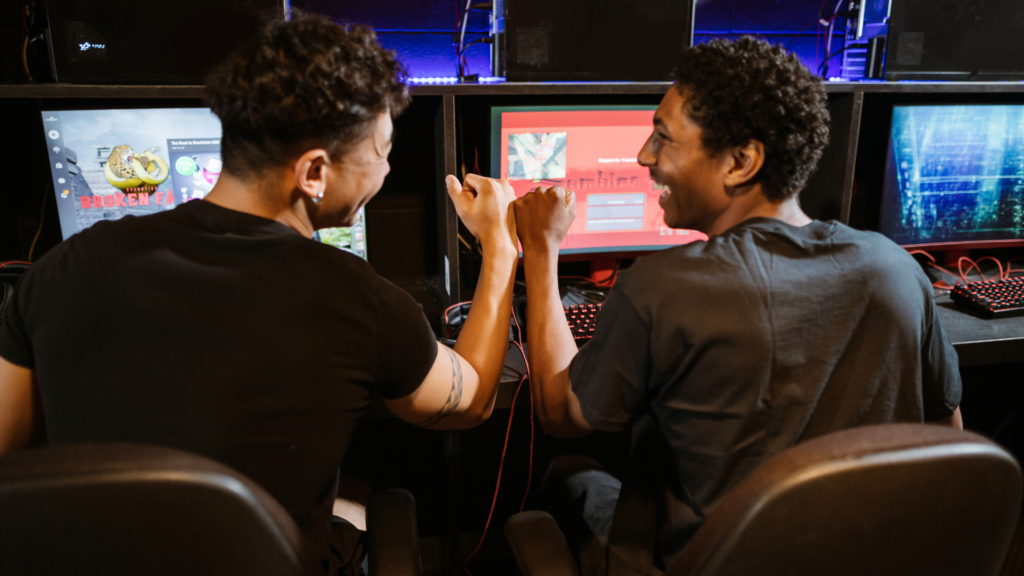
The rise of online gaming has transformed the way people engage with video games, creating communities that span the globe. Gamers benefit from enhanced social interactions, improved cognitive skills, and a sense of belonging. These advantages demonstrate that online gaming is not just entertainment; it can also foster valuable personal development and social connections.
Online platforms enable individuals to connect with others, forming friendships that might not occur in traditional settings. This interaction can lead to teamwork and communication skills that are beneficial in both personal and professional contexts. Gamers often find themselves engrossed in problem-solving scenarios that challenge their critical thinking and strategic planning abilities.
Additionally, online gaming can serve as a stress relief outlet. Engaging in gameplay allows for a diversion from daily concerns, offering a momentary escape while also cultivating a vibrant hobby. Overall, the multifaceted benefits of online gaming appeal to a diverse audience, showcasing its potential beyond mere leisure. But before we delve into that, let’s first learn how to game online.
How to Engage in Online Gaming?
To get started with online gaming, the first thing you need is the right equipment. A device, such as a gaming PC, console (PlayStation, Xbox, or Nintendo Switch), or mobile device, is essential. For an immersive experience on a PC, a gaming mouse and keyboard are important, as they offer precision and responsiveness that are crucial for many games.
A good-quality gaming mouse with adjustable DPI settings allows for quick, accurate movements, especially in fast-paced games like first-person shooters. A comfortable, ergonomic gaming chair or furniture is also key for long gaming sessions. These chairs are designed to support your posture, reduce strain on your back and neck, and enhance overall comfort.
For the audio experience, investing in high-quality gaming headphones or a sound system can make a big difference. Good headphones allow for immersive sound and clear communication with teammates, especially if the game involves voice chat. A sound system can elevate the overall experience for single-player games by bringing the game’s sound effects and music to life.
Once your setup is ready, it’s crucial to ensure you have a stable, high-speed internet connection for a seamless online gaming experience. A wired connection, typically through an Ethernet cable, is often more reliable than Wi-Fi, as it reduces lag and provides a more consistent signal during gameplay.
To achieve the best performance, select a reputable Internet Service Provider (ISP) that offers fast speeds and low latency-two key factors for smooth, uninterrupted gaming. Many ISPs now offer specialized gaming packages tailored to meet the demands of online play, ensuring that your connection can handle the load without buffering or sudden dropouts.
Anyway, after connecting your device to the Internet, you can sign into the relevant platform (Steam, PlayStation Network, Xbox Live, etc.), where you can download or purchase games. Most online games require you to create an account to access multiplayer modes. Once you’ve downloaded your game, you can join multiplayer lobbies, either with friends or other players worldwide. Some games also have voice communication options or third-party apps like Discord to help you interact with teammates in real time.
Benefits of Online Gaming
Cognitive and Skill Enhancements
Online gaming offers various cognitive benefits that contribute to skill development. Players often experience improvements in problem-solving, hand-eye coordination, and other cognitive functions while engaging in games that require focus and concentration.
Improving Problem-Solving Skills
Engaging in online games requires players to strategise and make decisions in challenging scenarios. This engagement enhances their problem-solving skills as they must evaluate situations, anticipate outcomes, and adapt to changing environments.
Many games incorporate puzzles and complex scenarios that mirror real-life challenges. By overcoming these obstacles, players develop robust analytical skills that can translate to personal and professional contexts. Educational games further reinforce these skills, providing a structured environment for learning and applying problem-solving techniques.
Boosting Hand-Eye Coordination
Many online games require precise movements and quick reactions, leading to improved hand-eye coordination. Players often need to synchronise their visual input with their physical movements, enhancing this critical skill.
Actions such as aiming, shooting, and navigating complex environments all contribute to fine motor skill development. This enhanced coordination not only benefits gaming performance but can also positively affect activities in daily life, including sports and tasks that require precision.
Enhancing Cognitive Functions
Regular participation in online gaming can lead to enhanced cognitive functions such as memory, attention, and processing speed. Many games are designed to challenge players’ mental acuity by requiring rapid decision-making and constant attention to detail.
Studies have shown that gaming can stimulate brain areas responsible for cognitive tasks. For instance, puzzle and strategy games demand high levels of concentration, improving players’ focus over time. Additionally, engaging in multi-tasking environments within games helps develop superior cognitive flexibility, beneficial in various life situations.
Fostering Learning and Creativity
Online gaming creates unique opportunities for learning and creativity. Many games are designed to encourage exploration and experimentation, fostering creative thinking. Players must often devise unique strategies to progress or solve in-game challenges.
Furthermore, educational games are explicitly designed to promote learning in subjects like mathematics and science. These interactive experiences blend gaming with education, making learning engaging and effective. This emphasis on creativity supports cognitive development, empowering players to think innovatively beyond the gaming context.
Social and Emotional Benefits
Online gaming offers a range of social and emotional benefits, allowing players to forge connections, enhance their mental well-being, and develop essential life skills. These aspects contribute to a more enriched gaming experience.
Building Social Connections
Online gaming fosters social interaction among players, enabling them to connect across geographical boundaries. Gamers engage in multiplayer settings, fostering friendships and a sense of community. Participating in gaming communities can alleviate feelings of loneliness by providing a platform where players can share experiences and interests.
Through cooperative gameplay, individuals learn teamwork and communication skills. These connections often extend beyond the game, with many players forming lasting friendships. The shared goals within gaming environments encourage collaboration, creating bonds that can lead to meaningful relationships.
Mental Health and Stress Relief
Engaging in online gaming can serve as an effective tool for mental health, providing an escape from daily stressors. Many individuals use gaming as a means to relax and unwind, which can significantly reduce symptoms of anxiety and depression.
The immersive nature of gaming allows players to momentarily disconnect from real-life pressures, promoting a sense of relief. Various studies suggest that participation in online games can improve mood and increase feelings of happiness. Furthermore, gaming can enhance mental resilience by providing a structured way to confront challenges, fostering a mindset of perseverance.
Cultivating Life Skills
Online gaming not only entertains but also nurtures crucial life skills. Players often develop problem-solving abilities as they navigate complex game scenarios. This aspect enhances critical thinking and adaptability, skills that are transferrable to real-world situations.
Additionally, gaming enhances communication skills through teamwork and strategy discussions. Players learn to articulate their ideas clearly, which can boost confidence in social interactions. The collaborative nature of many games encourages empathy, as gamers must consider different perspectives and work together to achieve common objectives.
Entertainment and Leisure
Online gaming serves as a significant source of entertainment and leisure, offering diverse experiences that engage players effectively. It provides platforms for exploration and competition, catering to various interests in the gaming community.
Exploring New Worlds
Massively multiplayer online games (MMOs) allow players to immerse themselves in vast and intricate environments. Games like World of Warcraft and Final Fantasy XIV invite exploration of diverse landscapes, from enchanted forests to futuristic cities.
Players can interact with both the game world and other participants, forging connections and alliances. This interaction creates a dynamic experience, driving curiosity and discovery as players traverse realms filled with quests, hidden items, and lore.
Gamers collectively share knowledge and strategies, enriching their adventures. The thrill of uncovering new areas fuels the desire to keep exploring, establishing online gaming as a captivating avenue for leisure.
Experiencing Adventure and Accomplishment
Multiplayer games like Fortnite and Call of Duty foster a sense of adventure and achievement. Each match presents unique challenges, requiring teamwork and strategy for success.
As players engage in competitive esports, they experience intense moments of thrill and pressure. Completing a difficult mission or winning a challenging match leads to a profound sense of accomplishment.
Furthermore, ranking systems offer a clear sense of progression. Players can see their growth and improvement over time, motivating them to continue playing. This balance between adventure and achievement keeps players engaged and motivated in the gaming landscape.

