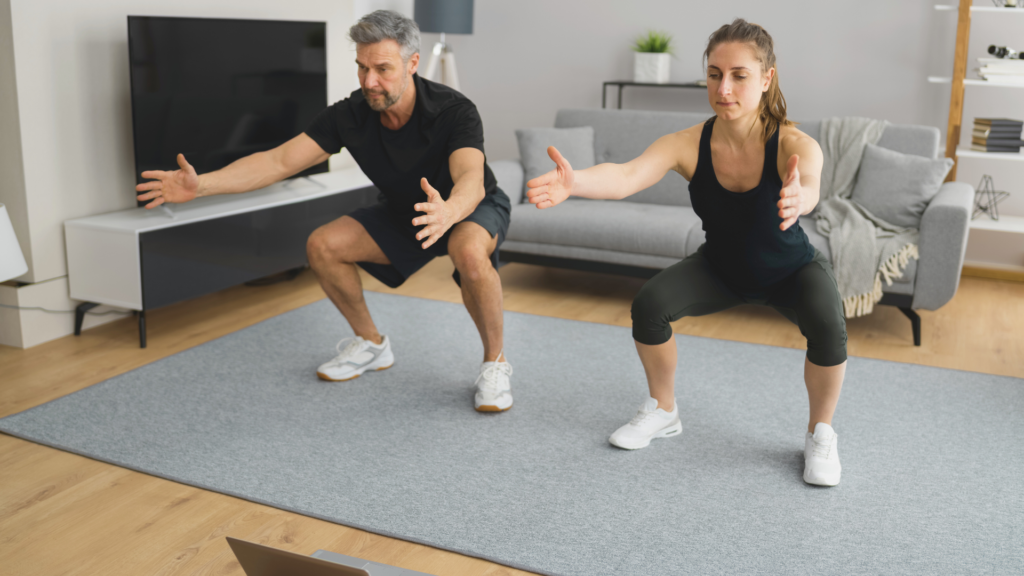
Creating a home workout routine offers a convenient and flexible way to achieve fitness goals. To successfully build a sustainable routine, one must consider their fitness level and preferences while incorporating a variety of exercises that keep motivation levels high. This approach not only enhances physical health but also fits seamlessly into busy lifestyles.
Many individuals find that exercising at home eliminates common barriers such as travel time to the gym and scheduling conflicts. Tailoring a workout plan to individual needs allows for a blend of strength training, cardio, and flexibility exercises, making it easier to progress and adjust as fitness levels change.
Establishing a consistent routine at home can lead to significant improvements in overall well-being. Focusing on specific fitness goals, whether it be weight loss, muscle gain, or increased endurance, enables individuals to track their progress and make necessary adjustments.
Establishing Your Workout Objectives
Establishing clear workout objectives is crucial in creating a successful home workout routine. Defined goals guide workout selection and help track progress effectively. Identifying fitness aspirations and the principle of progressive overload are key aspects to consider.
Determining Your Fitness Goals
Setting specific fitness goals allows individuals to tailor their workouts effectively. Common objectives include:
- Muscle Growth: Targeted strength training with weights or bodyweight exercises.
- Fat Loss: Incorporating cardio alongside strength training to enhance calorie burn.
- Improved Fitness Level: Focusing on endurance, strength, or flexibility as personal priorities.
When establishing these goals, individuals should consider their current fitness level and any limitations. SMART criteria—Specific, Measurable, Achievable, Relevant, and Time-bound—can be particularly helpful. For example, aiming to lose 5 kg in three months is more effective than a vague goal to “get fit.”
Understanding Progressive Overload
Progressive overload is the practice of gradually increasing exercise intensity to achieve continual improvements. It plays a pivotal role in muscle growth and overall fitness. Key methods include:
- Increasing Weight: Gradually raising the resistance in strength training.
- Adding Repetitions: Performing more repetitions while maintaining form.
- Adjusting Duration: Lengthening the duration of workouts or rest periods.
By applying these principles, individuals avoid plateaus and enhance their strength and endurance. Recognising when to increase intensity is essential for sustained progress. Regularly assessing and adjusting one’s routine ensures continued gains in performance and fitness levels.
Designing Your Home Workout Plan
A well-structured home workout plan considers individual fitness goals, available equipment, and personal preferences. Balancing workout routines with various training methods is crucial for maximising results.
Full Body Versus Split Routines
Full-body workouts engage multiple muscle groups in each session, making them efficient for those with limited time. This type of routine is beneficial for beginners, allowing them to build muscle mass and strength while promoting fat-burning.
Split routines divide workouts into specific muscle groups focused on different days. This approach can lead to increased muscle growth by allowing targeted muscle recovery. For instance, one might focus on upper body exercises on one day and lower body exercises on the next. Both methods can be effective, but individuals should choose based on their schedule and fitness level.
Incorporating Various Training Methods
Incorporating different training methods enhances the effectiveness of a home workout plan. High-Intensity Interval Training (HIIT) provides a time-efficient way to boost endurance and burn fat. This method mixes short bursts of intense activity with periods of rest, making it ideal for at-home workouts.
Resistance training, whether using free weights or bodyweight exercises, helps to build muscle at home and improve overall strength. Examples include squats, push-ups, and lunges. Including a variety of workouts, such as cardio, strength, and flexibility routines, ensures a well-rounded programme that maintains interest and challenges the body effectively.
Execution of Exercises
Effective execution of exercises is crucial for achieving fitness goals. This includes mastering proper form, adjusting parameters for intensity, and incorporating variety to keep the routine engaging.
Perfecting Form and Technique
Proper form and technique are essential in exercises like squats, push-ups, and lunges. Misalignment can lead to injuries and reduced effectiveness. For instance, during a squat, keeping the knees aligned with the toes prevents strain.
Using mirrors or video recordings can help in self-assessment. It is also beneficial to start with body weight before moving on to equipment like dumbbells or kettlebells. Slow, controlled movements allow for better muscle engagement and focus on stability, particularly in core exercises like the pike push-up.
Incorporating unilateral training, such as the Bulgarian split squat, can enhance stability and balanced strength.
Adjusting Reps, Sets, and Rest Periods
Modifying reps, sets, and rest periods tailor the workout to individual goals. For muscular strength, a common approach is to perform 3–5 sets of 4–6 reps with heavier weights. Conversely, for endurance, 2–3 sets of 12–15 reps can be effective.
Rest periods between sets also play a significant role. Shorter rest intervals (30–60 seconds) can enhance metabolic conditioning, while longer rests (2–3 minutes) support maximum strength gains. This adjustment is especially relevant during supersets, where alternating exercises keep the heart rate elevated.
Maintaining a varied rep range helps in stimulating different muscle fibres, contributing to overall strength and endurance.
Variety Through Workout Strategies
Incorporating diverse workout strategies keeps the routine fresh and challenging. Resistance bands, kettlebells, and bodyweight exercises can add variety. Exercises like the inverted row and pull-ups target upper body strength in new ways compared to bench work.
Employing circuits can enhance cardiovascular benefits while strength training. Mixing traditional sets with methodologies like drop sets or pyramid sets encourages progression.
Incorporating variety not only prevents plateaus but also ensures engagement. Attention to different muscle groups through varied exercises enhances core stability and overall athletic performance. Adjusting strategies regularly will further enhance results and maintain interest.
Optimising Recovery and Consistency
Effective recovery and maintaining consistency are essential for anyone building a home workout routine. This section discusses the significance of warm-ups and cool-downs, ways to ensure workout regularity, and the importance of monitoring progress to make necessary adjustments.
Importance of Warm-Up and Cool Down
A proper warm-up prepares the body for exercise by increasing heart rate, improving blood flow, and enhancing flexibility. This can include dynamic stretches such as leg swings and arm circles, which target key muscle groups. Engaging in a warm-up reduces the risk of injury and prepares the muscles for work, improving overall performance.
After the workout, cool-down sessions help the body transition back to a resting state. Static stretching can enhance mobility and flexibility, targeting areas worked during the session. This final phase aids in recovery by reducing muscle soreness and stiffness, crucial for long-term adherence to a fitness routine.
Maintaining Regularity in Workouts
Consistency in scheduling workouts is vital for achieving fitness goals. Setting aside particular days and times each week for exercise can create accountability. It can be helpful to establish a routine that fits personal preferences, whether it includes strength training, cardio, or flexibility exercises.
Utilising a calendar or fitness app can reinforce commitment and track adherence. Incorporating a variety of workouts prevents boredom and maintains interest. Flexibility in routine allows for adjustments, ensuring that workouts fit seamlessly into daily life while promoting long-term habits essential for fitness success.
Monitoring Progress and Adjustments
Tracking progress is fundamental for identifying strengths and areas for improvement. Keeping a workout journal can aid in recording achievements, such as increased weight, enhanced endurance, or flexibility gains. This reflection allows individuals to adjust their routines based on their evolving fitness levels.
Setting specific, measurable goals facilitates structured adjustments. For instance, if weight loss or core strength is a target, progressively increasing intensity or duration will maintain motivation. Regular assessments ensure the workout remains challenging while catering to personal fitness needs, supporting continued engagement in home fitness.