Men’s fashion has evolved significantly throughout history, shaped by various social, cultural, and political influences. Understanding how men’s clothing has reflected social status and personal expression reveals a rich tapestry of human experience. From the tailored suits of the Victorian era to the contemporary casual styles, the evolution of men’s fashion serves as a mirror to societal values and norms.
Cultural events, such as wars, economic shifts, and social movements, have driven changes in style and attire. The way men dress has often indicated their place in society and offered a means of personal expression. As trends cycle through history, they illustrate the underlying currents of masculinity and identity.
Today, men’s fashion continues to embrace diversity, allowing individuals to express themselves while drawing upon the past. By exploring the historical context behind each era, one can uncover the intricate relationship between clothing, identity, and social dynamics.
Fashion today is not only about style, but it’s also closely tied to body type and personal comfort. Men come in all shapes and sizes, from slim and tall to more bulky or heavier builds, and each body type interacts with clothing differently. Those who feel self-conscious about their bodies often take steps to align their appearance with their fashion preferences.
Some focus on fitness routines or hitting the gym to achieve a desired physique, while others explore medical options such as weight loss injections. In certain cases, men may also consider procedures like gynecomastia surgery Los Angeles, or elsewhere, to address specific concerns and feel more confident in their clothing choices.
Ultimately, fashion and personal appearance are deeply connected, and individuals today have a wide range of options to express themselves while feeling comfortable and confident in their own bodies.
Historical Evolution of Men’s Fashion
The journey of men’s fashion reflects shifts in culture, social norms, and aesthetics. Key developments include the influence of prominent figures and the introduction of specific garment styles that shaped trends for generations.
Origins and Beau Brummell
The origin of modern men’s fashion can be traced to the 18th century, but it was Beau Brummell in the early 19th century who revolutionised it. Brummell advocated for simplicity over extravagance, promoting well-tailored garments as a symbol of status.
He is credited with popularizing the tailored suit, which featured fitted trousers and a waistcoat. Brummell’s influence extended beyond clothing; his emphasis on personal grooming set new standards for male appearance, making dandyism a cultural phenomenon.
Victorian Era and Frock Coats
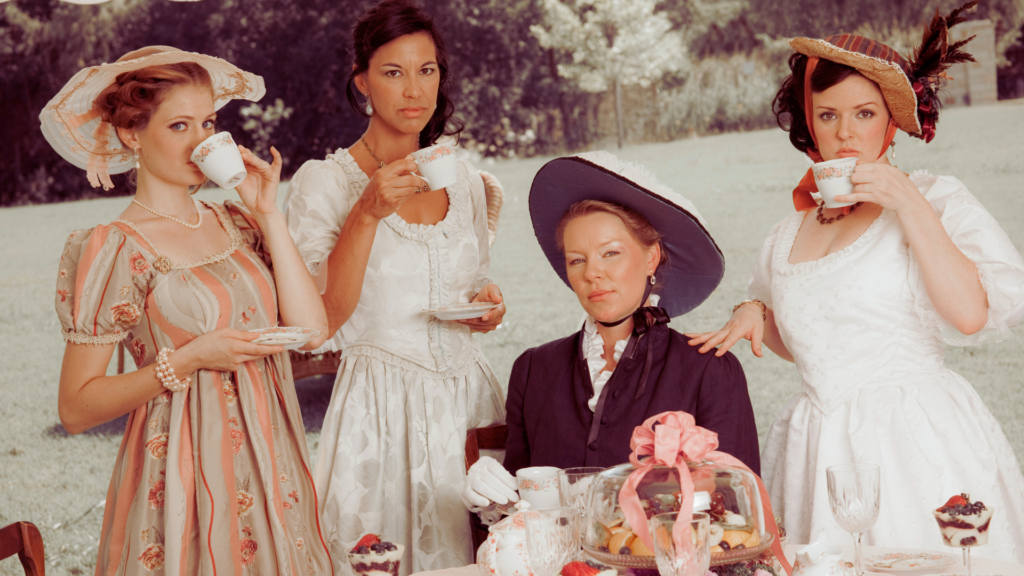
During the Victorian Era, men’s fashion became increasingly formal. The frock coat emerged as a staple, embodying the era’s emphasis on propriety and elegance. Typically knee-length, the frock coat was paired with waistcoats and crisp shirts, often featuring high collars.
Tailoring reached new heights with intricate detailing and finer materials, reflecting a desire for class distinction. Morning coats, which were more informal, also gained popularity for daytime events, showcasing elaborate designs while maintaining a degree of sophistication. This era laid the groundwork for contemporary men’s formalwear, establishing lasting trends in fit and style.
Fashion through the Wars and Economic Shifts
Fashion underwent significant changes during periods of war and economic hardship. These transformations were influenced by factors such as fabric rationing, the Great Depression, and the evolving youth culture in the post-war era.
World War I Impact and Fabric Rationing
World War I brought about drastic changes to men’s fashion. The war effort led to fabric rationing, with materials like wool and cotton diverted for military use. As a result, men’s clothing became simpler and more utilitarian.
Tailoring adapted to wartime needs, prioritising functionality over style. Items such as the military uniform influenced civilian clothing. The introduction of more practical designs included the trench coat, which became a staple for men during this period. By the war’s end, these trends marked a clear shift towards minimalism in everyday attire.
Great Depression Influences
The Great Depression dramatically affected men’s fashion by limiting disposable income. In this era of widespread unemployment, clothing became a luxury few could afford. As a result, styles shifted towards functionality and durability.
Men opted for simpler designs and versatile pieces. Suits became less extravagant, favouring muted colours and unembellished fabrics. The furlough of fashion houses forced many to focus on workwear. Items such as suspenders and flat caps gained popularity, allowing men to present a refined image while adapting to economic constraints.
Post-War Optimism and the Birth of Teenage Fashion
Following World War II, society experienced a wave of optimism that reshaped fashion. As economies recovered, there was a resurgence in flamboyant styles and luxury materials. This shift allowed for a new focus on youth culture.
Teenage fashion emerged as a distinct category in the 1950s. Styles such as greaser jackets and T-shirts became symbols of youth rebellion. The influence of popular culture, including music and film, spurred this trend. Men began to embrace personal expression, leading to diversification in styles that encouraged individuality. This era established the groundwork for the evolving landscape of men’s fashion in subsequent decades.
Revolution and Diversity: Mid-Twentieth Century to the 2000s
The mid-twentieth century marked a dynamic shift in men’s fashion, driven by cultural revolutions and diverse expressions of identity. Key movements, from the Jazz Age to the rise of hip-hop, reflected broader societal changes and individual freedoms.
Jazz Age and Roaring Twenties
The Jazz Age, flourishing in the 1920s, was synonymous with innovation and liberation. Men sported suits characterised by bold patterns, wide lapels, and lighter fabrics. Accessories like fedoras and pocket squares gained popularity, enhancing the sophisticated image.
Trousers became more tailored, and the introduction of the “zoot suit” represented defiance against austerity. Rich colours and striking prints expressed exuberance in response to the hardships of the previous decade. This era laid the groundwork for future fashion movements.
Mod Style and British Invasion
Emerging in the 1960s, the Mod style was influential in shaping youthful fashion. It featured tailored suits, slim-fit trousers, and geometric patterns. Accessories such as loafers and thin ties completed the look, reflecting an aesthetic rooted in the British subculture.
The British Invasion also influenced how men dressed, with iconic bands like The Beatles promoting a sharp, polished style. The use of bold colours and experimentation with textures marked a departure from conservative fashion norms, paving the way for diverse styles to emerge.
Hippie Movement and Individual Expression
The Hippie Movement of the late 1960s and early 1970s celebrated individual expression through fashion. Loose, flowing garments made from natural fabrics symbolised a rejection of materialism. Tie-dye, fringes, and beads became associated with peace and love.
Men adopted long hair and beards, breaking conventional grooming standards. This era challenged societal norms and championed a more relaxed and inclusive approach to masculinity. The emphasis on personal style left a lasting impact on fashion.
Punk Rock and Countercultural Movement
The late 1970s witnessed the rise of punk rock, which embraced a raw, anti-establishment ethos. Men donned leather jackets, ripped jeans, and graphic T-shirts, often adorned with patches and studs. The style was a direct challenge to mainstream fashion.
Punk introduced bold hairstyles, such as mohawks and brightly coloured dyes. This countercultural movement reshaped perceptions of masculinity, allowing for expressions that defied traditional norms. It embraced chaos and individuality, leaving a significant imprint on later fashion trends.
Hip-Hop Culture Influences
By the 1980s and 1990s, hip-hop culture emerged as a powerful influence on men’s fashion. Streetwear, featuring oversized clothing, sports jerseys, and baseball caps, became synonymous with hip-hop identity. Prominent artists elevated these styles, merging fashion with music.
Brands like Adidas and FUBU gained prominence, emphasising comfort and functionality. This era also introduced bling culture, where extravagant accessories and logos symbolised status. Hip-hop’s impact extended into the 2000s, shaping a generation’s approach to style and identity.
Modern Menswear and the Influence of Fast Fashion
The evolution of modern menswear reflects shifting cultural norms and consumer behaviours, particularly through the impact of fast fashion. Casual styles, streetwear, and growing awareness of sustainability have reshaped what men wear today.
Rise of Casual and Streetwear
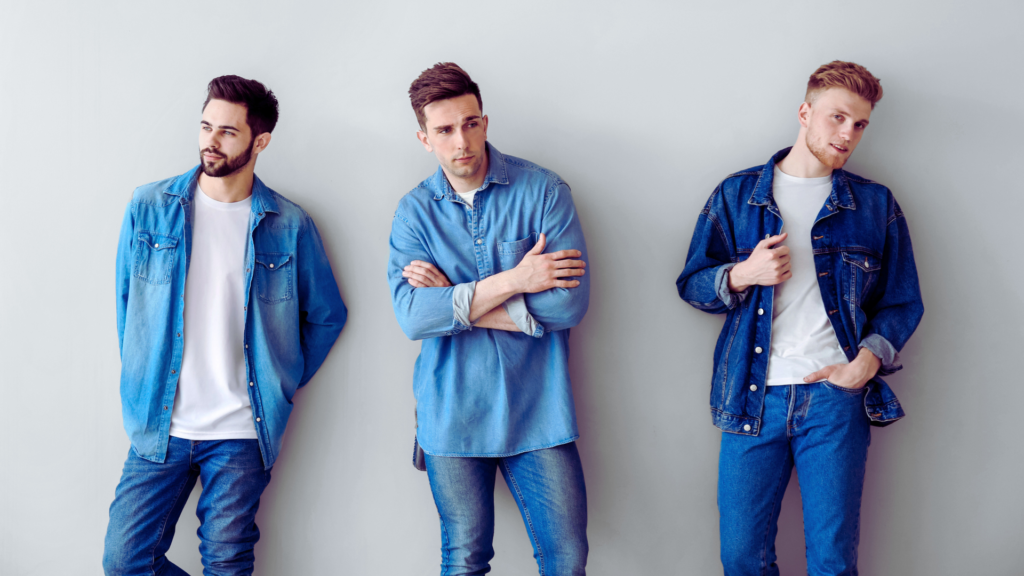
Casual wear has gained prominence, reflecting a societal shift towards comfort and informality. Brands like Supreme and Off-White have defined streetwear by blending high fashion with urban culture. Key elements often include graphic tees, hoodies, and sneakers, emphasising individual expression.
Fast fashion companies have played a vital role in making these trends accessible. They produce affordable, trend-driven pieces that cater to consumers’ desire for novelty. The rapid turnover of styles allows men to experiment without significant financial commitment.
Athleisure and the Blurring Lines Between Formal and Casual
Athleisure combines athletic and casual wear, reflecting lifestyle preferences. This trend includes items like joggers, polo shirts, and stylish trainers suitable for both workouts and social settings.
The blending of athletic attire with more formal pieces creates a versatile wardrobe. It’s not uncommon now to see men pairing Custom Suits with trainers, a look that balances polish with ease. This shift highlights a preference for practicality and comfort.
Fit is central to how these trends translate to real bodies, though, and fitted tees and structured layers can be unforgiving for men who feel self-conscious about their chest. For some, that’s simply a matter of choosing the right cut; for others, it’s tied to a physical condition, and exploring Gynecomastia Surgery in Houston, TX with a qualified surgeon can be part of feeling comfortable in more fitted styles. As with any wardrobe or body-related decision, it’s worth speaking with a professional who can advise on what’s right for you.
Sustainable Fashion and Ethical Craftsmanship
As awareness of environmental issues grows, sustainable fashion is emerging within menswear. Many brands now prioritise ethical practices and materials. This includes sourcing organic cotton, utilising recycled fabrics, and implementing fair labour standards.
Craftsmanship is also regaining importance, with a focus on quality over quantity. Consumers are increasingly willing to invest in timeless, durable pieces rather than disposable items. This movement challenges the fast fashion model and encourages a more thoughtful approach to style.