Women’s fashion has evolved significantly over the centuries, reflecting cultural, social, and economic changes. From the structured gowns of the Victorian era to the casual chic of the 21st century, each period showcases unique styles that highlight women’s roles and freedoms throughout history. Understanding this evolution not only provides insight into past societies but also influences contemporary fashion trends.
Throughout history, various movements and innovations have shaped how women dress. The 1920s introduced the flapper style, symbolising a bold shift towards independence, while the 1960s embraced vibrant patterns and silhouettes that challenged traditional norms. This ongoing transformation illustrates how women’s fashion is not merely about aesthetics; it serves as a mirror to societal changes.
Exploring women’s fashion through history reveals the interplay between style and significant historical events. Each era’s fashion choices offer a glimpse into the values and aspirations of women, making it a rich subject for those interested in both fashion and history. The journey through time highlights how clothing can express identity and influence culture.
Historical Progression of Women’s Fashion
Throughout history, women’s fashion has evolved significantly, reflecting cultural shifts, social status, and technological advancements. Each era has introduced unique styles, fabrics, and silhouettes that have shaped the way women express themselves through clothing.
Ancient Civilisations to the Middle Ages
In ancient Egypt, women typically wore simple linen dresses, which emphasised mobility and comfort in the hot climate. These garments often featured a straight cut, with some adorned by decorative elements.
On the contrary, across Asia, ancient dress traditions show a similar balance of practicality and symbolism; in China, for example, Hanfu, long flowing robes with wide sleeves and layered silks, provided comfort while encoding social status and aesthetic values. Scholars and designers study features like cross-collars, sashes, and embroidery to trace how regional climates and customs shaped silhouette and construction.
For readers curious about authentic examples and contemporary revivals, collections of Traditional Chinese clothing can offer useful illustrations and notes on craftsmanship. Understanding these garments enriches the broader picture of how clothing reflected culture and daily life.
As society progressed into the Middle Ages, women’s fashion changed dramatically. Modesty became a central theme, characterised by long gowns with fitted bodices and flowing skirts. Fabrics like wool and silk were commonly used.
That emphasis on modesty finds clear echoes in contemporary dress, where designers reinterpret covered silhouettes using modern cuts and lighter, breathable fabrics suited to everyday life. In many urban centres, these garments are now designed for versatility, transitioning easily from work to social settings while preserving comfort and dignity.
For readers seeking contemporary interpretations of modest attire, curated selections such as hijab clothes London, or elsewhere can demonstrate how traditional principles are blended with current tailoring and fabric technology. This continuity shows how historical values around modesty continue to inform practical fashion choices today.
This period was also marked by the influence of the church and nobility, which dictated the use of colours and embellishments. Wealthy women often wore garments with intricate embroidery and luxurious materials, showcasing their status.
Renaissance to Early Victorian Era
The Renaissance brought about a revival of art and culture, significantly influencing women’s fashion. The introduction of structured bodices and farthingales created a more defined silhouette.
Rich fabrics such as brocade and velvet were popular among the elite. Gowns often featured elaborate designs, accentuating femininity while showcasing wealth.
Beyond the garments themselves, intricate jewelry played a crucial role in completing these opulent ensembles, often reflecting the same artistic flair and desire for distinction. Bespoke pieces, crafted with precious metals and rare gemstones, were not merely accessories but powerful statements of status, personal taste, and enduring legacy.
These handcrafted treasures allowed individuals to express their unique identity and celebrate significant milestones, much like the elaborate gowns of the era. For those seeking to define their own personal aesthetic with timeless elegance, understanding how different elements combine to create a cohesive look is essential, and you can find out your prefered ring style to complement any personal narrative.
Entering the early Victorian era, fashion became more modest again, with high necklines and fuller skirts becoming fashionable. The invention of the sewing machine enabled more intricate designs and widespread availability of ready-made garments.
Late Victorian Era to Pre-World War Fashion
The late Victorian era was defined by dramatic silhouettes and extravagant ornamentation. Corsets created an hourglass shape, with skirts extending significantly towards the floor.
Industrialisation led to the mass production of hats, gloves, and accessories, allowing middle-class women to enjoy fashionable trends previously reserved for the wealthy. Fabrics such as taffeta and lace became widely used.
By the pre-World War era, women’s fashion started to reflect a changing societal role. Skirts became narrower, and blouses gained prominence.
The suffragette movement also influenced fashion, with women adopting more practical clothing as they participated in activism.
The 20th Century: Decades of Diversity
The 20th century witnessed an explosion of diverse fashion trends. The 1920s introduced the flapper dress, with its loose silhouette and dropped waist, symbolising women’s liberation.
The following decades saw the emergence of various styles, from the elegant and tailored looks of the 1940s to the bold, psychedelic prints of the 1960s.
Fashion continued to evolve, with influences from cultural movements, media, and globalisation shaping women’s choices. The late 20th century embraced casual wear, reflecting a shift toward comfort and individuality in dressing.
Iconic Fashion Movements and Styles
Throughout history, women’s fashion has evolved significantly, influenced by cultural changes and societal attitudes. The following key movements highlight the transformations in style from the exuberance of the 1920s to the boldness of the 1980s.
Rise of the Flapper Style in the 1920s
The 1920s marked a transformative era for women’s fashion, primarily characterised by the flapper style. This movement introduced a more liberated silhouette, with dropped waists and knee-length hemlines.
Flappers embraced bold fashion choices, featuring cloche hats, bobbed hair, and colourful tights. The style symbolised female emancipation, as women sought independence and challenged traditional gender roles.
Dance halls and jazz culture played a significant role in shaping this aesthetic, allowing women to express their newfound freedom through clothing. Bold colours, fringe, and luxurious fabrics like silk and satin were prevalent in flapper wardrobes.
Post-War Fashion and the New Look in the 1950s
The 1950s heralded a return to femininity with Christian Dior’s “New Look,” which revolutionised women’s fashion post-World War II. This style redefined elegance through closer-fitting bodices and full skirts, accentuating the waist.
Fabrics were luxurious, often featuring floral prints or polka dots, reflecting an optimistic social atmosphere. Women were encouraged to embrace their femininity while balancing domestic duties and newfound professional opportunities.
Key elements included fitted jackets and petticoats, contributing to an hourglass shape. This style reinforced traditional gender dynamics while encouraging personal expression, as women sought to reclaim their identity after wartime restrictions.
Youthquake and Revolution in the 1960s
The 1960s emerged as a pivotal decade in women’s fashion, marked by the Youthquake movement. People embraced a bold, youthful aesthetic, characterised by mini skirts, psychedelic prints, and vibrant colours.
Designers like Mary Quant popularised the mini skirt, which became emblematic of the era’s changing attitudes towards femininity and youth culture. This period also saw the rise of androgynous looks, with trousers gaining acceptance among women.
The cultural revolution, influenced by music, politics, and counterculture, allowed women to experiment with styles that rejected previous norms. Accessories like statement jewellery and go-go boots showcased individuality and a break from tradition.
Power Dressing and Opulence in the 1980s
The 1980s brought about “power dressing,” an assertive style that reflected women’s growing roles in the corporate world. This movement featured sharp, tailored suits with broad shoulders, often complemented by bold colours and accessories.
Women opted for structured fabrics and polished looks, which projected confidence and authority in professional settings. Iconic designs from brands like Chanel and Yves Saint Laurent epitomised this trend.
High fashion and luxury also influenced daily wear, with women incorporating opulent materials and statement pieces into their wardrobes. The era was not just about clothing; it represented a shift in societal views on women in the workplace.
Evolution of Key Fashion Elements
Fashion has undergone significant transformation, with specific elements evolving to reflect changes in society, culture, and technology. This section explores the progression of hemlines and silhouettes, the integration of menswear and trousers into women’s wardrobes, and the rise of diverse textiles alongside sustainable fashion.
The Transformation of Hemlines and Silhouettes
Hemlines have historically marked shifts in women’s fashion, with changes often reflecting broader societal norms. During the late 19th century, the bustle silhouette dominated, accentuating the back. With the 1920s came shorter hemlines, epitomised by flapper dresses that liberated women from restrictive clothing.
The mid-20th century saw the New Look by Christian Dior, reintroducing longer, fuller skirts. Each shift illustrates women’s evolving role in society, from traditional constraints to expressions of freedom and identity. The late 20th century brought mini skirts and diverse silhouettes, showcasing individuality.
The Integration of Menswear and Trousers
The incorporation of menswear elements into women’s fashion significantly altered women’s clothing. Initially, women wore dresses exclusively, but in the early 20th century trousers, challenged gender norms. The rise of tailored suits in the 1920s symbolised women’s growing independence and professional presence.
By the 1960s, the women’s liberation movement spurred the popularity of trousers, with iconic figures like Marlene Dietrich influencing style choices. Today, trousers are a staple in women’s wardrobes across various settings, from casual to formal. This transition exemplifies women embracing practicality without sacrificing style.
Diverse Textiles and Sustainable Fashion
The variety of textiles used in women’s fashion has expanded over time, from natural fabrics like cotton and wool to synthetic fibres. As global trade evolved, different textures and patterns became accessible, allowing for greater creativity in design.
In recent years, the push for sustainable fashion has emerged, prompting greater use of eco-friendly materials and practices. Brands are increasingly prioritising sustainability, seeking to reduce environmental impact while maintaining aesthetic appeal. Innovations such as organic fibres and recycled textiles are becoming prevalent, reflecting a broader cultural shift towards sustainability in fashion.
Fashion Icons and Their Influence
Fashion icons have played a crucial role in shaping women’s fashion throughout history. Their styles often reflect broader societal changes and personal expressions that resonate with the times.
Influence of Jane Austen and Her Era
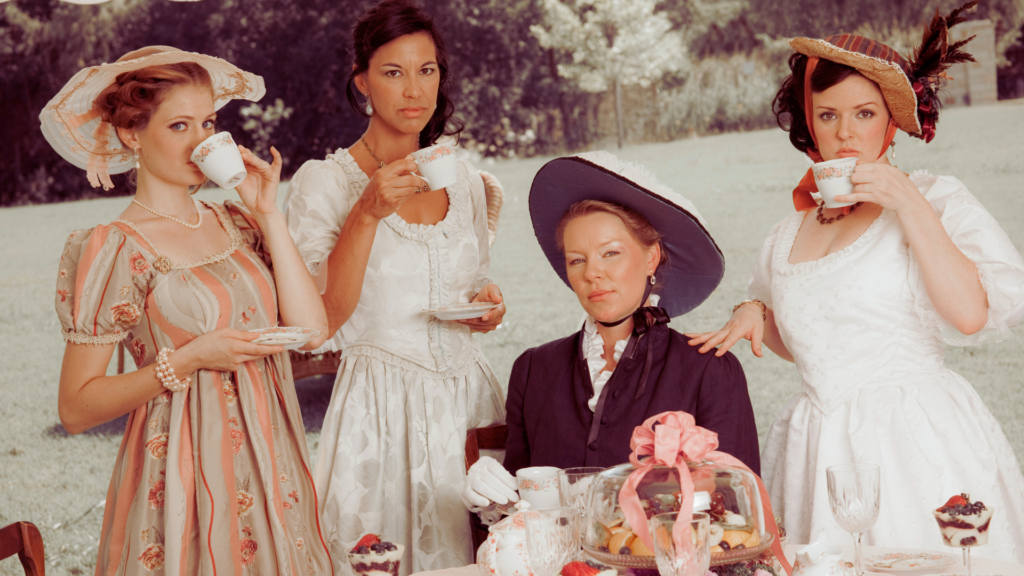
Jane Austen, writing in the early 19th century, influenced fashion through her vivid character portrayals and social commentary. The Regency period featured empire waistlines and light muslin dresses, highlighting a feminine silhouette.
Austen’s heroines often wore attire that symbolised social status and personal choice, which inspired women to embrace elegance. The emphasis on personal style and modesty during this time laid the groundwork for future fashion design, showcasing the importance of attire in personal narrative.
Coco Chanel: Liberating Women’s Fashion
Coco Chanel emerged in the early 20th century as a revolutionary force in women’s fashion. Her designs prioritised comfort and practicality, challenging the restrictive garments of her time.
Chanel introduced elements like the iconic little black dress and tailored suits that liberated women from discomfort. She emphasised simplicity and elegance, advocating for a more androgynous aesthetic. Her ability to blend fashion with functional design changed the trajectory of women’s clothing, making chic styles accessible to the modern woman.
Contemporary Designers Shaping Modern Trends
Today, numerous designers continue to influence women’s fashion by reflecting diverse cultural narratives and personal styles. From Stella McCartney’s sustainable designs to Vera Wang’s modern bridal collections, they shape contemporary aesthetics.
These designers often draw inspiration from historical influences while innovating with textiles and techniques. The emphasis on individuality allows for variations in fashion that cater to different body types and personal preferences, ensuring that fashion remains inclusive and relevant.